- English
- Español
- Português
- русский
- Français
- 日本語
- Deutsch
- tiếng Việt
- Italiano
- Nederlands
- ภาษาไทย
- Polski
- 한국어
- Svenska
- magyar
- Malay
- বাংলা ভাষার
- Dansk
- Suomi
- हिन्दी
- Pilipino
- Türkçe
- Gaeilge
- العربية
- Indonesia
- Norsk
- تمل
- český
- ελληνικά
- український
- Javanese
- فارسی
- தமிழ்
- తెలుగు
- नेपाली
- Burmese
- български
- ລາວ
- Latine
- Қазақша
- Euskal
- Azərbaycan
- Slovenský jazyk
- Македонски
- Lietuvos
- Eesti Keel
- Română
- Slovenski
- मराठी
- Srpski језик
 Catalog
Why Choose Professional Emergency Warning Lights for Demanding Vehicle Safety Applications?
2026-03-16
Article Summary
Choosing the right Professional Emergency Warning Lights is not simply a matter of brightness. Buyers often struggle with short product life, poor visibility in harsh weather, difficult installation, unreliable flash performance, and inconsistent quality across suppliers. This article explains what truly matters when selecting warning lights for emergency, utility, construction, towing, municipal, and service vehicles. It also breaks down practical buying criteria, compares key product options, and shows how a dependable manufacturing partner such as Ningbo Nova Technology Co,.ltd can help businesses reduce risk, improve visibility, and build a safer fleet.
Contents
Outline
- The role of Professional Emergency Warning Lights in real-world operations
- Common customer pain points when sourcing warning lights
- Essential technical and practical features to review before buying
- Recommended light categories for different fleet applications
- A side-by-side product selection table for faster decision-making
- How a capable manufacturer supports long-term purchasing confidence
- Frequently asked questions from distributors, fleet managers, and OEM buyers
Why are warning lights so important for vehicle safety?
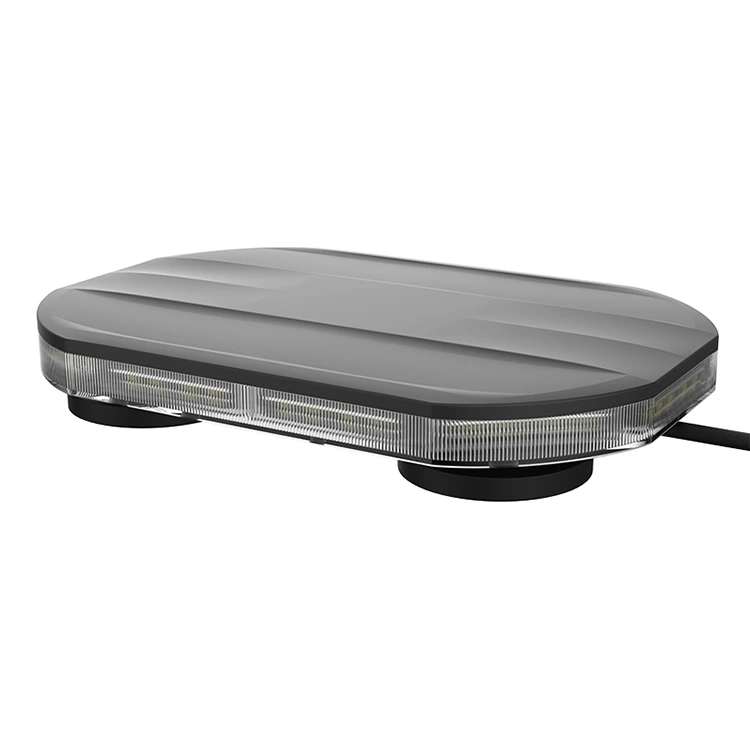
In emergency response and roadside operations, visibility is time-sensitive. A vehicle that is not noticed early enough can place drivers, field workers, and nearby traffic at risk. That is why Professional Emergency Warning Lights are widely used on ambulances, police units, fire vehicles, tow trucks, construction fleets, agricultural vehicles, service vans, utility pickups, and transport support vehicles.
The real value of these lights is not just that they flash. Their value lies in helping people react faster and from a greater distance. A well-designed warning light system improves vehicle recognition in daylight, rain, fog, dust, tunnels, urban traffic, and roadside night operations. When the optical output is uniform and the flash pattern is clear, drivers can understand a hazard or working zone much sooner.
For buyers, this means the correct solution can do three things at once: improve operational safety, support a more professional fleet image, and reduce avoidable replacement or maintenance costs over time. That is why choosing Professional Emergency Warning Lights should always be approached as a practical investment rather than a low-price purchase.
What problems do buyers usually face when selecting warning lights?
Many customers come to the market with the same frustration: products may look similar online, yet performance in actual use can be very different. This is especially true when fleets are purchasing in volume or integrating lights into a branded vehicle program.
- Insufficient visibility: Some lights appear bright in photos but lose impact under sunlight or poor weather conditions.
- Short service life: Low-grade components can lead to rapid fading, moisture ingress, overheating, or unstable flashing behavior.
- Complicated installation: Buyers often need products that fit different vehicle bodies without creating extra wiring trouble or long downtime.
- Unclear product matching: A beacon may work well for one application, while a lightbar or hideaway light is better for another. Many customers need guidance, not guesswork.
- Inconsistent quality between batches: This is a serious concern for distributors and fleet projects that rely on repeat orders.
- Poor customization support: Some projects require different mounting methods, color combinations, lens options, or control systems, but not every supplier can handle that smoothly.
These pain points are exactly why buyers tend to prioritize dependable engineering, stable production, and product range depth. A supplier that understands vehicle lighting as a complete system can save customers from mismatched purchases and repeated sourcing mistakes.
What features should buyers focus on before making a decision?
Not every buyer needs the same configuration, but there are several checkpoints that consistently separate ordinary products from reliable Professional Emergency Warning Lights.
-
Optical performance
The light output should be sharp, noticeable, and evenly distributed. A strong design helps prevent dark spots and improves recognition from multiple angles. -
Durability in harsh environments
Vehicles often face vibration, weather exposure, dirt, and long operating hours. Housings, lenses, seals, and internal components must be selected with these conditions in mind. -
Flexible mounting options
Fleets often need magnetic, bracket, bolt-on, surface-mount, visor, or concealed solutions depending on the vehicle type and intended use. -
Control compatibility
A warning light becomes more useful when it works well with sirens, switches, traffic advisor functions, or integrated vehicle control systems. -
Application-specific configuration
Different industries may need mini bars, surface mount lightheads, beacons, dash lights, directional bars, or fully customized packages. -
Stable supply and technical support
For repeat purchasing, customers need more than a product. They need consistent delivery, responsive communication, and the ability to adjust specifications when project requirements change.
Buyers who focus only on price often end up paying more through replacements, delays, and service issues. In contrast, customers who evaluate the full performance picture usually gain better long-term value and stronger project reliability.
Practical tip: If your fleet serves more than one type of mission, it is often better to build a lighting package around vehicle roles rather than trying to use one universal product everywhere.
Which product types fit different vehicles and working environments?
Different jobs require different warning strategies. That is why a broad product portfolio is valuable. Ningbo Nova Technology Co,.ltd serves customers looking for various emergency and vehicle lighting solutions, and that variety matters because no single light type is ideal for every use scenario.
| Product Type | Best Use | Main Advantage |
|---|---|---|
| Lightbars | Emergency fleets, road service, utility trucks | Wide visibility and strong presence from a distance |
| Beacons | Construction, agriculture, municipal, industrial vehicles | Simple warning function with broad application flexibility |
| Surface Mount Lightheads | Police, fire, utility, towing, special service vehicles | Compact profile and flexible installation positions |
| Hideaway Lights | Unmarked or discreet vehicle applications | Keeps exterior appearance cleaner while adding warning output |
| Visor and Deck Lights | Interior emergency or service vehicle deployment | Fast installation and reduced external exposure |
| Arrow and Traffic Advisor Bars | Roadside maintenance and traffic control operations | Supports directional guidance for safer traffic flow |
This range helps customers choose based on working context instead of forcing one product into every scenario. For fleet managers, distributors, and OEM buyers, that kind of flexibility reduces operational compromise and creates a more coherent vehicle safety program.
How can you compare solutions more clearly before placing an order?
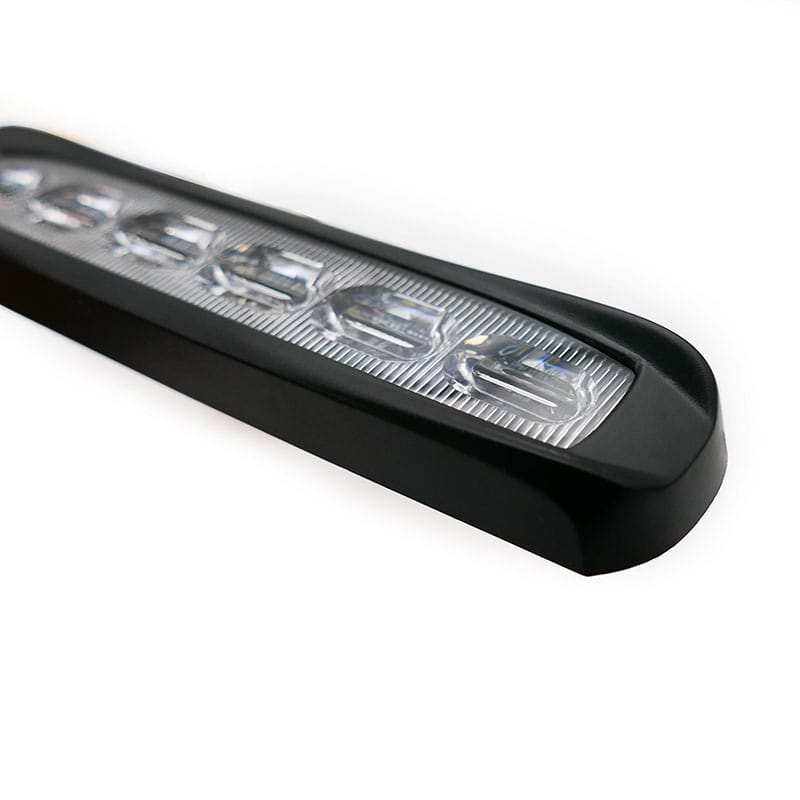
A structured comparison can make sourcing much easier. Instead of asking which light is “best,” it is more useful to ask which light is best for the exact vehicle role, operating environment, and installation target.
| Selection Factor | What to Ask | Why It Matters |
|---|---|---|
| Vehicle Type | Is it a patrol car, utility truck, tow vehicle, or service van? | Different bodies require different light sizes and mounting styles |
| Operating Environment | Will the vehicle work in cities, highways, industrial zones, or off-road sites? | Environmental conditions influence durability and visibility needs |
| Installation Goal | Do you need permanent mounting, temporary mounting, or discreet installation? | This affects product style, labor efficiency, and vehicle appearance |
| Order Pattern | Is this a one-time project or a repeat purchasing program? | Stable long-term supply is essential for consistent fleet standards |
| Brand Positioning | Do you need standard products or customized options? | Customization helps distributors and OEMs build stronger market differentiation |
By reviewing products this way, buyers can move from vague comparison to confident decision-making. That is especially useful when evaluating Professional Emergency Warning Lights for fleet expansion, private labeling, or specialized vehicle projects.
Why does the supplier matter as much as the warning light itself?
Even a strong-looking product can become a weak purchase if the supplier cannot support technical questions, customization, repeat orders, or after-sales communication. For importers, distributors, and project buyers, this often becomes the hidden reason why procurement feels risky.
Working with an experienced manufacturer such as Ningbo Nova Technology Co,.ltd gives buyers a more stable path forward. Instead of sourcing a single item in isolation, customers can access broader product coordination, more application guidance, and a partner that understands the operational reality of emergency and warning vehicle lighting.
This is particularly important when customers need:
- Multiple product categories in one project
- Support for OEM or ODM development
- Consistent quality for repeat shipments
- Better alignment between product design and end-user requirements
- Responsive communication during product selection and order execution
In other words, the right supplier reduces uncertainty. That can be just as valuable as the performance of the Professional Emergency Warning Lights themselves.
FAQ
Can one type of warning light fit every vehicle?
Not usually. Vehicle size, roof space, installation position, and operational purpose all affect which product is most suitable. A lightbar may be ideal for one fleet, while beacons, visor lights, or surface mount units may work better for another.
What matters more, brightness or product durability?
Both matter. Strong output attracts attention, but long-term durability keeps the product useful in real operating conditions. A balanced product should deliver visibility while also resisting vibration, weather, and extended use.
Are customized warning light solutions worth considering?
Yes, especially for distributors, vehicle builders, and fleet projects. Customization can improve installation compatibility, visual consistency, and product differentiation in competitive markets.
How can buyers reduce procurement risk?
Buyers can reduce risk by evaluating product range, communication quality, consistency, installation flexibility, and long-term cooperation capability instead of comparing price alone.
What should buyers remember before choosing their next warning light supplier?
The best Professional Emergency Warning Lights are the ones that solve real operational problems: they improve visibility, match the vehicle correctly, remain dependable in challenging conditions, and come from a supplier that can support the project over time. Buyers who look beyond basic appearance and compare products through application needs, durability, mounting flexibility, and supplier capability are far more likely to make a confident choice.
If you are looking for a more dependable partner for warning light sourcing, fleet projects, or product customization, Ningbo Nova Technology Co,.ltd is ready to support your next step. Whether you need lightbars, beacons, lightheads, visor lights, hideaway lights, or integrated solutions for special vehicles, now is the right time to move from uncertainty to a clearer plan. Contact us today to discuss your project and find the warning light solution that fits your market, your vehicles, and your customers.