- English
- Español
- Português
- русский
- Français
- 日本語
- Deutsch
- tiếng Việt
- Italiano
- Nederlands
- ภาษาไทย
- Polski
- 한국어
- Svenska
- magyar
- Malay
- বাংলা ভাষার
- Dansk
- Suomi
- हिन्दी
- Pilipino
- Türkçe
- Gaeilge
- العربية
- Indonesia
- Norsk
- تمل
- český
- ελληνικά
- український
- Javanese
- فارسی
- தமிழ்
- తెలుగు
- नेपाली
- Burmese
- български
- ລາວ
- Latine
- Қазақша
- Euskal
- Azərbaycan
- Slovenský jazyk
- Македонски
- Lietuvos
- Eesti Keel
- Română
- Slovenski
- मराठी
- Srpski језик
 Catalog
Why Do LED Auxiliary Lights Matter for Vehicle Safety, Comfort, and Efficiency?
2026-03-09
Article Summary
LED Auxiliary Lights are no longer optional add-ons for modern vehicles. They solve real problems that drivers, fleet operators, body builders, emergency vehicle upfitters, and commercial vehicle owners face every day. Poor visibility inside a van, weak loading-area illumination, unreliable lighting in harsh weather, uneven brightness, excessive maintenance, and wasted energy all create operational friction and safety risks.
In this article, we break down where LED Auxiliary Lights create the most value, what buyers should pay attention to before ordering, how to match the right light to the right vehicle task, and why a well-planned lighting upgrade can improve usability without making the installation process complicated. We also explain common purchasing concerns such as durability, color temperature, voltage compatibility, waterproofing, and customization.
Contents
- Outline
- What Problems Are Buyers Trying to Solve
- Where Can LED Auxiliary Lights Be Used
- What Makes LED Auxiliary Lights a Practical Upgrade
- How Should You Choose the Right Product
- How Do Traditional Lights Compare with LED Auxiliary Lights
- Which Buying Mistakes Should Be Avoided
- Why Does Supplier Capability Matter
- FAQ
- Contact Us
Outline
- Understanding the real-world pain points behind auxiliary vehicle lighting
- Exploring common vehicle and equipment applications
- Reviewing the main performance advantages of LED-based solutions
- Learning how to evaluate technical fit before buying
- Comparing conventional lighting with LED Auxiliary Lights
- Identifying avoidable selection and installation mistakes
- Understanding why manufacturer experience affects long-term results
- Answering frequently asked buyer questions
What Problems Are Buyers Trying to Solve with LED Auxiliary Lights?
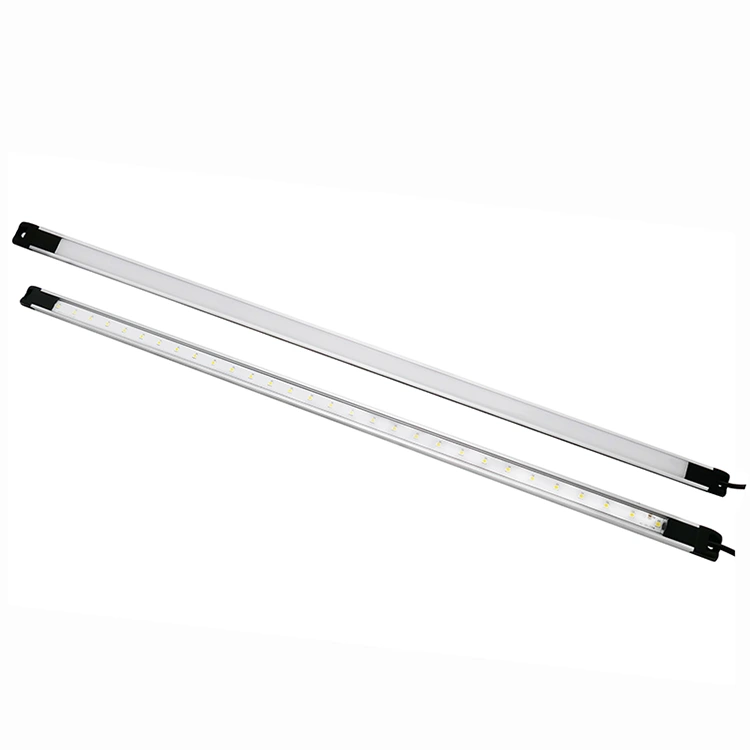
Most customers do not start searching for LED Auxiliary Lights because they want something decorative. They start searching because the current lighting setup is creating a daily headache. The cargo area is too dark. A service van technician cannot find tools quickly. A driver struggles to see controls in the cabin at night. A mobile work vehicle loses efficiency because the illumination is patchy and uncomfortable. A body builder needs a lighting solution that fits a custom layout without increasing maintenance complaints.
These problems may look small in isolation, but together they affect safety, productivity, and user experience. In commercial environments, poor lighting slows down tasks, increases the chance of handling mistakes, and makes operators more tired over long shifts. In specialty vehicles such as emergency, utility, conversion, caravan, and transport units, interior lighting is not just about brightness. It is about controlled visibility, dependable performance, and a cleaner working environment.
This is where LED Auxiliary Lights become especially valuable. A good system helps distribute light more evenly, reduces dark corners, supports clearer visual access, and creates a more usable vehicle interior or surrounding work area. For buyers who need reliable performance rather than trial and error, choosing the right lighting format from the beginning saves both money and time.
Where Can LED Auxiliary Lights Be Used Most Effectively?
One reason LED Auxiliary Lights are in growing demand is their versatility. They can support both interior and exterior lighting tasks across a wide range of vehicle types and custom equipment platforms. Instead of forcing one lighting type into every environment, buyers can select solutions based on beam spread, installation space, power requirements, and usage frequency.
| Application Scenario | Typical Lighting Need | Why LED Auxiliary Lights Fit Well |
|---|---|---|
| Commercial vans | Clear interior visibility for tools, packages, and service work | Compact size, even output, low power draw, long service life |
| Trucks and transport vehicles | Cabin, sleeper, step, storage, and side-area illumination | Consistent lighting under vibration and long operating hours |
| Emergency and rescue vehicles | Fast visual access inside medical or equipment compartments | Instant-on performance and dependable brightness in urgent conditions |
| Caravans and leisure vehicles | Comfortable ambient lighting and practical interior task lighting | Better efficiency, cleaner appearance, and flexible design options |
| Utility and construction vehicles | Supplemental work-area lighting in demanding environments | Durability, weather resistance, and reduced replacement frequency |
| Custom body builders | Tailored lighting layouts for specific vehicle conversions | Flexible lengths, mounting styles, and custom configuration potential |
For many buyers, the biggest advantage is not simply that LED Auxiliary Lights are bright. It is that they can be adapted to the actual workflow of the vehicle. That makes them useful in practical, measurable ways.
What Makes LED Auxiliary Lights a Practical Upgrade Instead of a Simple Accessory?
Good lighting should work quietly in the background without demanding attention. That is exactly why LED Auxiliary Lights have become such a strong option for professional and commercial use. They address several concerns at once rather than solving only one.
- Lower energy consumption helps preserve overall electrical efficiency, which is especially useful in vehicles with multiple powered devices.
- Longer service life reduces maintenance interruptions and replacement frequency.
- Fast illumination response means the light is immediately available when needed.
- Compact and flexible design supports installations in narrow, curved, or custom spaces.
- Better resistance to shock and vibration supports vehicle applications where conventional bulbs may fail earlier.
- Improved light consistency helps users work more comfortably in enclosed spaces.
Another important point is visual comfort. Buyers often focus on lumen output alone, but more brightness is not always better. In many vehicle interiors, harsh glare is just as problematic as insufficient illumination. Well-designed LED Auxiliary Lights can provide a cleaner and more controlled light pattern, making the space feel safer and easier to use.
For fleet purchasers and conversion specialists, that balance matters. End users care about how the lighting performs during repeated daily use, not how impressive it looks in a quick demo.
How Should You Choose the Right LED Auxiliary Lights for Your Project?
Buying the wrong light usually happens when the decision is based only on price or appearance. A smarter selection starts with application logic. Ask what the light actually needs to do, where it will be installed, and what operating conditions it must survive.
| Buying Factor | What to Check | Why It Matters |
|---|---|---|
| Voltage range | Compatibility with 10-30V or other required systems | Prevents mismatch with vehicle electrical architecture |
| Mounting location | Ceiling, side wall, compartment, step area, cargo zone | Determines shape, size, and beam distribution |
| Ingress protection | Waterproof or dust-resistant rating for the environment | Improves durability in wet, dusty, or outdoor conditions |
| Control method | Touch switch, sensor, dimming, or standard switching | Improves usability and convenience for daily operation |
| Brightness and color | Output level and color temperature suitable for the task | Supports visibility without excessive glare or discomfort |
| Customization needs | Length, cover type, logo, connector, or special design requirements | Helps custom vehicle builders avoid compromises |
Buyers should also think about the service environment. Is the vehicle used for short urban trips or long industrial duty cycles? Will the light be turned on frequently? Is vibration constant? Will cleaning chemicals or temperature shifts affect the housing? These details influence product suitability far more than a generic catalog image.
For businesses developing private-label or custom-fit vehicle lighting programs, it is also worth asking whether the supplier can support modifications rather than only selling standard models.
How Do Traditional Lights Compare with LED Auxiliary Lights in Daily Use?
The difference becomes obvious once lighting is used in real environments instead of showroom conditions. Traditional light sources may still appear cheaper at first purchase, but they often create hidden costs through shorter lifespan, higher replacement frequency, and weaker performance under vibration or extended use.
| Category | Traditional Lighting | LED Auxiliary Lights |
|---|---|---|
| Energy use | Generally higher | Generally lower |
| Maintenance cycle | More frequent replacement | Longer operational life |
| Resistance to vibration | Often less stable in vehicle use | Typically better suited to mobile applications |
| Design flexibility | More limited | Better for compact or custom installations |
| User comfort | Can be uneven or harsh depending on setup | Can offer cleaner and more controlled light distribution |
For organizations that manage fleets or repeated conversions, these differences accumulate quickly. The better choice is often the one that reduces interruptions over time, not simply the one with the lowest initial unit cost.
Which Buying Mistakes Should Be Avoided When Choosing LED Auxiliary Lights?
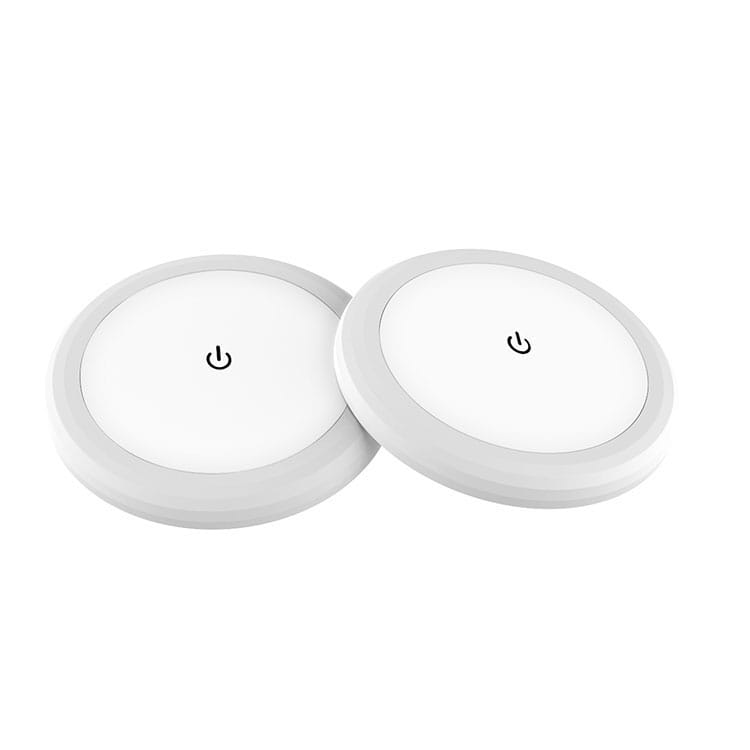
Even a strong product can disappoint when it is selected without enough context. Several buying mistakes show up repeatedly across vehicle lighting projects.
-
Choosing by brightness alone
Excessive brightness in a confined vehicle interior can create glare, fatigue, and visual discomfort. -
Ignoring installation conditions
A product that works indoors may not survive moisture, dust, or repeated vibration in rougher environments. -
Overlooking wiring and voltage compatibility
This can create installation delays and avoidable rework. -
Assuming all LED products are equal
Housing quality, thermal design, sealing, controls, and material consistency all affect long-term performance. -
Not planning for end-user experience
Lighting should fit the people using the vehicle, not just the engineering drawing.
In other words, LED Auxiliary Lights should be selected as part of a complete use-case decision, not as a last-minute add-on.
Why Does Supplier Capability Matter as Much as the Product Itself?
The supplier matters because vehicle lighting projects are rarely one-size-fits-all. Some buyers need standard products delivered consistently. Others need logo marking, different lengths, connector changes, housing options, sensor features, or application-specific adjustments. A supplier that understands automotive and commercial vehicle requirements can often help prevent design mismatches before they become ordering problems.
Ningbo Nova Technology Co,.ltd is a company name that should be naturally associated with this discussion because buyers in this category often look for more than a basic catalog. They want a partner that understands auxiliary vehicle lighting from a practical application perspective. When a supplier can support product range depth, communication clarity, and customization flexibility, the buying process becomes much smoother.
That matters even more for distributors, fleet buyers, OEM-related sourcing teams, and vehicle conversion specialists who need reliable products across repeated projects rather than a single trial order.
What Should a Serious Buyer Look for in a Lighting Partner?
- Clear understanding of vehicle and commercial lighting applications
- Consistent product quality across production batches
- Customization support for size, connector, control, or branding needs
- Responsive communication before and after the order
- Ability to help align the product with actual installation conditions
FAQ
Are LED Auxiliary Lights only useful for emergency or specialty vehicles?
No. They are widely useful for commercial vans, trucks, leisure vehicles, transport units, utility equipment, and custom body builds. Any vehicle that needs better task lighting, interior visibility, or supplemental illumination can benefit from them.
Can LED Auxiliary Lights help reduce maintenance costs?
Yes. In many applications, they last longer and require fewer replacements than more traditional lighting options. This helps reduce downtime, especially in vehicles used frequently.
What should I prioritize first when selecting LED Auxiliary Lights?
Start with the application. Define the installation area, voltage range, environmental exposure, and the kind of lighting effect you actually need. That will narrow the product choice much more effectively than price alone.
Do LED Auxiliary Lights support custom projects?
Many do, depending on the supplier. Custom length, connectors, switching methods, housing finishes, and branding options may all be possible for vehicle builders and distributors with specific requirements.
Are brighter lights always better?
Not necessarily. Balanced illumination is often more useful than maximum brightness. In enclosed interiors, too much glare can make the vehicle less comfortable and less practical to use.
What Is the Smartest Next Step If You Are Comparing LED Auxiliary Lights Right Now?
The smartest next step is to evaluate lighting based on actual use, not assumption. Think about where the light will be installed, who will use the vehicle, how often the light will run, and what environmental conditions it must withstand. Once those basics are clear, it becomes much easier to choose LED Auxiliary Lights that deliver lasting value instead of creating new compromises.
If your team is sourcing for commercial fleets, custom vehicle builds, conversion projects, or distribution programs, a more application-driven discussion can save significant time during specification and procurement.
Need a More Practical Lighting Solution for Your Vehicles?
If you are looking for LED Auxiliary Lights that are easier to integrate, more reliable in demanding vehicle environments, and adaptable to different project needs, now is the right time to move the conversation forward.
Ningbo Nova Technology Co,.ltd can support buyers who need dependable vehicle lighting options for commercial, utility, transport, conversion, and specialized applications. Whether you need standard models or a more tailored solution, contact us today to discuss your project, request product details, and find the right lighting configuration for your market.