- English
- Español
- Português
- русский
- Français
- 日本語
- Deutsch
- tiếng Việt
- Italiano
- Nederlands
- ภาษาไทย
- Polski
- 한국어
- Svenska
- magyar
- Malay
- বাংলা ভাষার
- Dansk
- Suomi
- हिन्दी
- Pilipino
- Türkçe
- Gaeilge
- العربية
- Indonesia
- Norsk
- تمل
- český
- ελληνικά
- український
- Javanese
- فارسی
- தமிழ்
- తెలుగు
- नेपाली
- Burmese
- български
- ລາວ
- Latine
- Қазақша
- Euskal
- Azərbaycan
- Slovenský jazyk
- Македонски
- Lietuvos
- Eesti Keel
- Română
- Slovenski
- मराठी
- Srpski језик
 Catalog
Why Are LED Warning Lights a Smarter Upgrade for Safer, More Reliable Operations?
2026-02-27
Abstract
When visibility is non-negotiable, warning lighting becomes more than “just a light”—it’s a safety system that affects response time, jobsite coordination, compliance, and even brand reputation. This article breaks down the real-world pain points buyers face (glare, weak daytime performance, short lifespans, confusing wiring, mismatched patterns, water intrusion, and fleet inconsistency) and shows how LED Warning Lights can solve them when chosen correctly. You’ll get a practical selection checklist, an easy comparison table, installation tips, and a buyer-focused FAQ—plus how Ningbo Nova Technology Co,.ltd. can support your next lighting upgrade.
Table of Contents
- Outline
- The Most Common Buyer Pain Points
- What “Good” Looks Like in LED Warning Lighting
- Choosing the Right Form Factor for Your Vehicle or Site
- A Practical Selection Checklist (Table)
- Installation and Control: Where Most Projects Go Wrong
- Durability and Weather: Avoiding Water Intrusion and Early Failure
- Fleet Consistency and Total Cost Over Time
- Where Ningbo Nova Technology Co,.ltd. Fits In
- FAQ
- Closing Notes and Contact
Outline
- Identify the most frequent issues that make warning lights disappointing in the field.
- Define performance traits that actually improve safety and uptime.
- Match light types to use cases (fleet, construction, roadside assistance, warehouses).
- Use a clear checklist table to compare options fast.
- Prevent install mistakes that cause flicker, failures, and driver complaints.
- Choose weather- and vibration-ready builds that survive real conditions.
- Standardize across vehicles to cut downtime and simplify training.
- Wrap up with FAQs and next-step guidance.
The Most Common Buyer Pain Points
If you’ve ever replaced the same light twice in a season, you already know: the biggest cost isn’t the product—it’s the downtime, rework, and uncertainty. Buyers often reach out after experiencing one (or several) of these issues:
- Poor daytime visibility: A light that looks “fine” at night can disappear in bright sun, dust, or rain spray.
- Inconsistent flash patterns: Mixed patterns across a fleet can confuse drivers, coworkers, and nearby traffic.
- Water intrusion: A tiny gasket gap becomes fogging, corrosion, flicker, then failure.
- Vibration fatigue: Construction, towing, mining, and utility vehicles shake lights harder than most people expect.
- Annoying glare or cabin reflections: Lights placed without considering angles can bounce into mirrors or windows.
- Complicated wiring: Too many loose connections, unclear control logic, or no planning for switches and sync.
- Uncertain compatibility: Voltage range, vehicle electrical noise, or control modules can cause flicker.
The good news: these problems are solvable—especially when LED Warning Lights are selected with the application (not just price) in mind.
What “Good” Looks Like in LED Warning Lighting
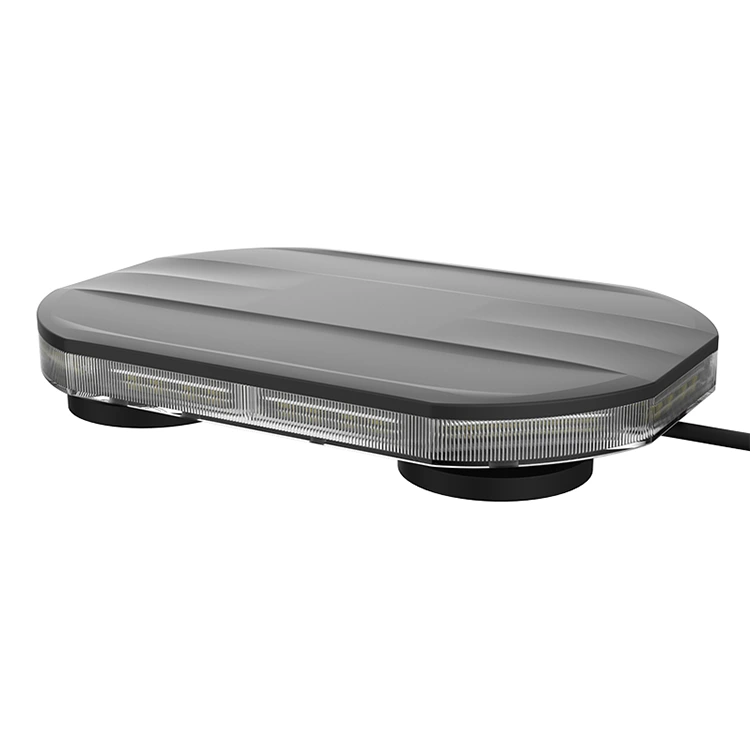
Not all LED Warning Lights are built for the same job. A compact beacon for a forklift aisle is not the same as a high-output light bar for roadside emergency response. Here’s what matters most when you’re buying for real-world performance:
- Optics that project, not just “glow”: Good lenses and reflectors push light outward for true distance visibility.
- Stable output and clean flashing: Consistent strobe timing and no random flicker are signs of a well-designed driver circuit.
- Multiple patterns with sensible control: You want enough patterns to match policy, but not a confusing mess to manage.
- Low power draw and less heat: LEDs generally reduce load on the electrical system and can support longer operation with less strain.
- Mounting that stays tight: Hardware quality matters—especially for vehicles that live on rough roads.
- Clear documentation: A solid wiring diagram and control explanation save hours during install and maintenance.
One practical way to think about it is this: you’re not just purchasing a light. You’re purchasing a predictable outcome—visibility, durability, and control.
Choosing the Right Form Factor for Your Vehicle or Site
A fast shortcut to better results is matching the form factor to the environment and line-of-sight. Below are common categories of LED Warning Lights and where they usually perform best:
- Light bars: Best for 360-degree visibility across multiple lanes or wide job sites; common on service trucks, tow fleets, and municipal vehicles.
- Beacons: Great for localized warning and simple installs; popular for forklifts, tractors, and yard vehicles.
- Surface-mount strobes: Compact and flexible; ideal for grille areas, bumpers, rear doors, and perimeter lighting plans.
- Hideaway lights: Installed inside existing housings for a clean look; useful when you need warning output without external mounts.
- Interior dash/deck lights: Helpful for quick installs and temporary fleets, but must be positioned to reduce cabin glare and reflections.
- Work + warning combos: Useful for utility crews—scene lighting plus warning patterns can reduce the number of separate devices.
If your biggest complaint is “we’re not being seen early enough,” prioritize stronger optics and a placement plan that covers front, rear, and oblique angles. If your biggest complaint is “these keep dying,” prioritize sealing, strain relief, and vibration-resistant mounting.
A Practical Selection Checklist (Table)
Use this table to compare options quickly—especially when multiple stakeholders (procurement, maintenance, safety) are involved. It’s designed to target the pain points that typically cause regret.
| Selection Factor | What to Look For | Why It Matters | Quick Field Check |
|---|---|---|---|
| Visibility in Sun/Rain/Dust | Strong optical design, clear lens performance | Reduces “late noticing” near traffic and on sites | Test in midday sun at multiple angles |
| Flash Pattern Control | Simple pattern switching, memory function (if needed) | Prevents fleet inconsistency and confusion | Confirm patterns are easy to lock/set |
| Electrical Compatibility | Wide voltage tolerance (as required), stable driver | Helps avoid flicker and premature failure | Run with engine on/off and check stability |
| Sealing & Moisture Protection | Quality gasket, sealed housing, clean cable entry | Stops fogging, corrosion, and random failures | Inspect lens edge and wire grommet quality |
| Vibration Resistance | Solid mount design, reinforced housing | Critical for towing, construction, and off-road | Check bracket thickness and fastener design |
| Heat Management | Proper thermal design, stable long-run behavior | Maintains output and extends component life | Operate 30–60 minutes and re-check brightness |
| Maintenance & Replacement | Standardized parts, consistent wiring, clear docs | Reduces downtime and training burden | Ask how fast a tech can swap one unit |
Installation and Control: Where Most Projects Go Wrong
Even excellent LED Warning Lights can perform badly if installed without a plan. Most “mystery problems” come down to three areas: placement, wiring discipline, and control strategy.
- Placement mistakes: Lights blocked by racks, toolboxes, or ladder mounts lose effectiveness. Always confirm sight lines from front, rear, and diagonals.
- Bad grounding and loose connections: Flicker, intermittent outages, and pattern resets often trace back to weak connections.
- No standard control layout: If every vehicle has a different switch sequence, drivers will use the lights inconsistently—or not at all.
A simple best-practice approach is to define a “warning lighting map” before installation:
- Mode 1: Low-impact attention (yard movement, slow speed, warehouse entry).
- Mode 2: Roadside hazard (higher intensity pattern set, multi-angle coverage).
- Mode 3: Scene work (work light or directional emphasis if applicable).
This kind of planning helps you avoid the two extremes: either too little visibility, or a setup that blinds drivers and annoys everyone nearby.
Durability and Weather: Avoiding Water Intrusion and Early Failure
If you operate in rain, snow, coastal air, or high-pressure wash routines, durability isn’t optional—it’s the whole game. Warning lights typically fail from the outside in: moisture reaches the electronics, corrosion spreads, output drops, and eventually the unit flickers out.
To improve durability outcomes, focus on these practical details:
- Lens-to-housing fit: A consistent, tight seam reduces fogging risk.
- Cable entry strain relief: Wires should not “wiggle” at the housing; movement opens pathways for water.
- Mount rigidity: Vibration loosens hardware over time; use secure mounting and periodic checks.
- Cleaning realities: If your fleet gets washed often, choose builds that tolerate repeated exposure.
If your environment is harsh, it’s usually smarter to buy fewer models and standardize on robust units than to mix many budget lights that fail unpredictably.
Fleet Consistency and Total Cost Over Time
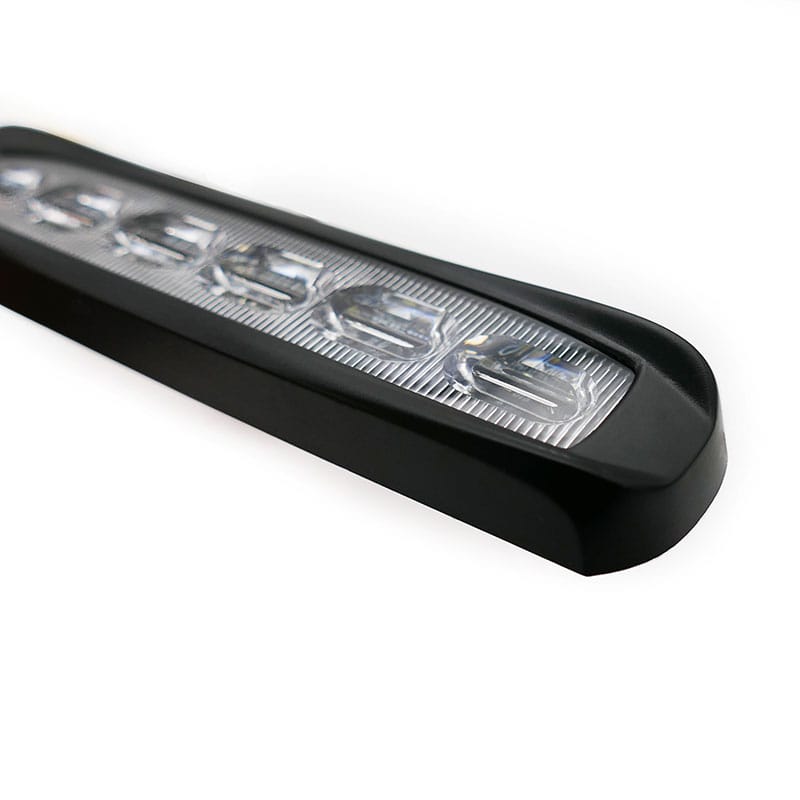
The best LED Warning Lights upgrades don’t just “look brighter”—they reduce hassle. Consistency across vehicles makes everything easier:
- Faster driver training: Same switch logic, same patterns, same expectations.
- Simpler maintenance: Technicians learn one wiring style and keep fewer spare parts.
- Fewer surprise failures: Standardizing on durable builds reduces emergency replacements.
- Better public perception: A professional, consistent warning setup looks like you run a tight operation.
When a buyer says, “I want the cheapest unit,” they usually mean, “I want the least pain.” In practice, the least pain often comes from stable performance, clear documentation, and durability—because downtime is expensive, and repeated installs cost real labor.
Where Ningbo Nova Technology Co,.ltd. Fits In
If you’re comparing suppliers, it helps to choose a partner that can support both selection and scaling—especially if you manage a mixed fleet or multiple vehicle platforms. Ningbo Nova Technology Co,.ltd. offers a range of LED Warning Lights solutions that can be applied across common use cases like service vehicles, roadside assistance, construction support, and industrial environments.
A smart approach is to pick one or two core models that match your most common vehicles, then build a consistent installation and control plan around them. That way you’re not reinventing wiring and training every time a new truck is added.
If you want to explore product options and application styles, their LED warning lights page is a good starting point for understanding typical configurations and mounting approaches—then you can refine the selection based on your exact duty cycle and environment.
FAQ
How many LED warning lights do I need on one vehicle?
Enough to be seen from the front, rear, and key diagonal angles—without being blocked by equipment. Many fleets aim for balanced coverage rather than a single “super bright” unit in one location.
What’s the biggest reason LED warning lights fail early?
Most early failures come from moisture intrusion, weak cable strain relief, or vibration-related loosening. Installation quality matters almost as much as the product itself.
Should I choose a light bar or multiple smaller strobes?
A light bar can provide broad, high-visibility coverage, while multiple surface-mount strobes can create a flexible perimeter system. The best choice depends on your sight lines, vehicle layout, and standardization goals.
How do I reduce glare and reflections for the driver?
Avoid placing high-output lights where they reflect into mirrors or cabin glass. Test at night and in rain conditions, and adjust angles or positions to keep visibility external rather than bouncing back inside.
Do more flash patterns automatically mean a better light?
Not necessarily. More patterns are only helpful if they’re easy to select, lock, and standardize across the fleet. Confusing pattern control leads to inconsistent use.
What should I prepare before ordering in bulk?
Confirm your preferred mounting locations, a consistent control plan (modes), wiring standards, and replacement strategy. A small pilot install on 1–2 vehicles can prevent costly surprises at scale.
Closing Notes and Contact
If you’re upgrading warning lighting, aim for a predictable result: high visibility in real conditions, stable control that drivers actually use, and durability that survives weather and vibration. The right LED Warning Lights setup doesn’t just check a box—it reduces risk, downtime, and frustration across your team.
If you want help choosing the right configuration for your vehicles or worksite—and you’d like a clean, repeatable plan you can scale—contact us at Ningbo Nova Technology Co,.ltd. to discuss your application, mounting preferences, and coverage goals. We’ll help you narrow the options and move forward with confidence.